Why Cloud Seeding?

The Atmosphere is a Reservoir

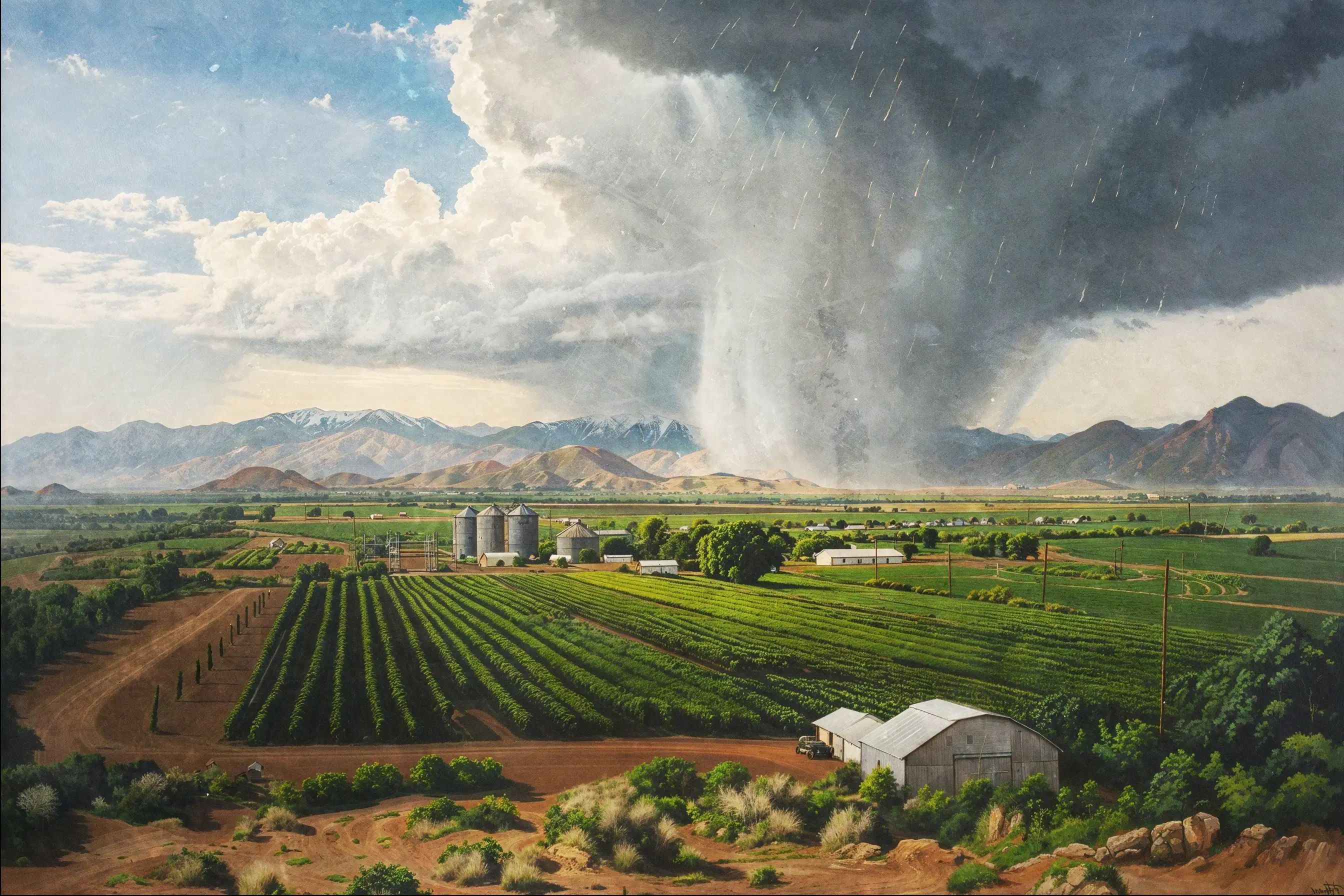
At any given moment, the atmosphere holds 3x more water than annual global demand. It is a large, untapped reservoir that — without cloud seeding — is only accessible as natural precipitation.

Rainmaker’s mission is to deliver that water where it’s needed most.

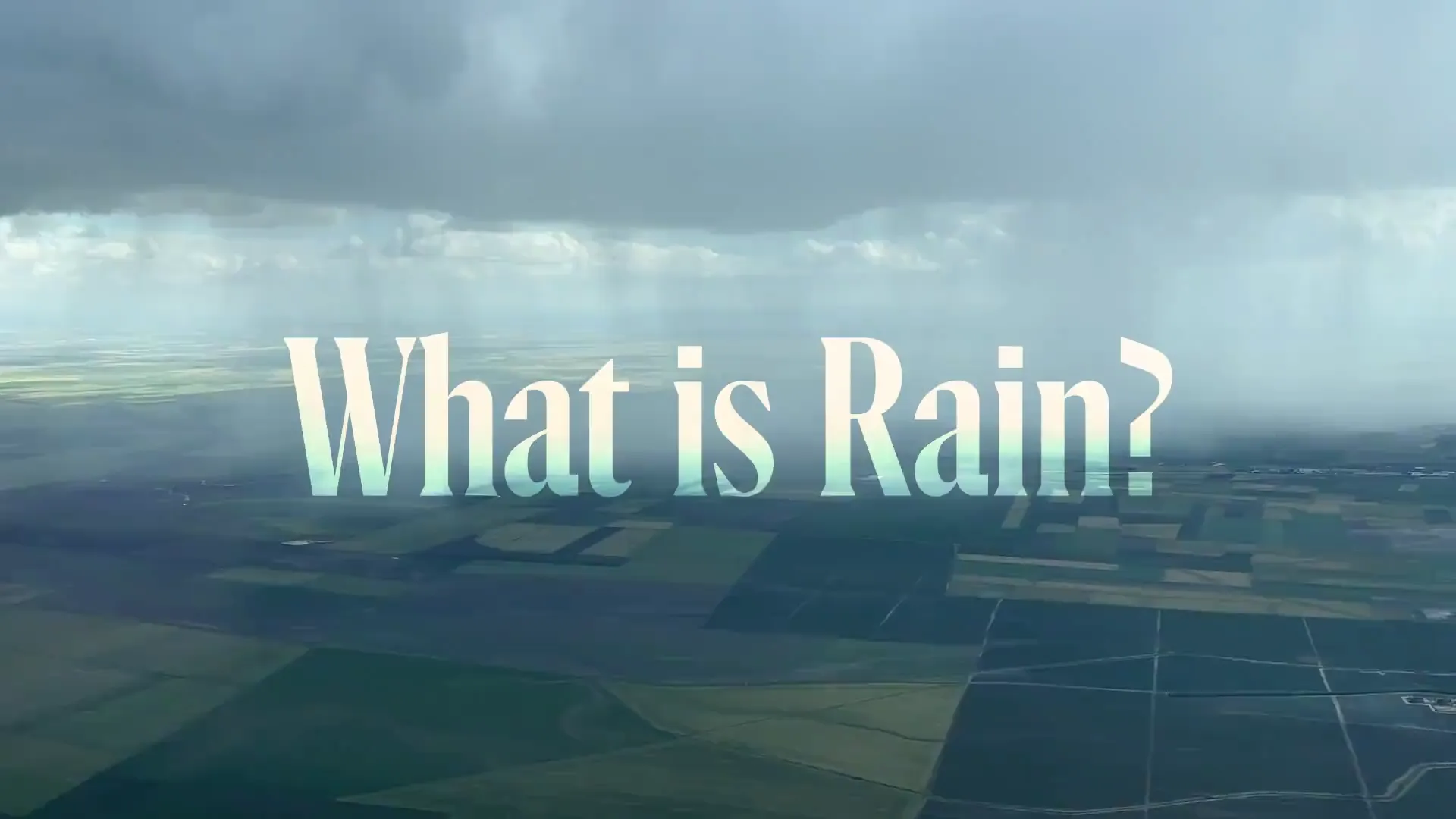
What is Rain?

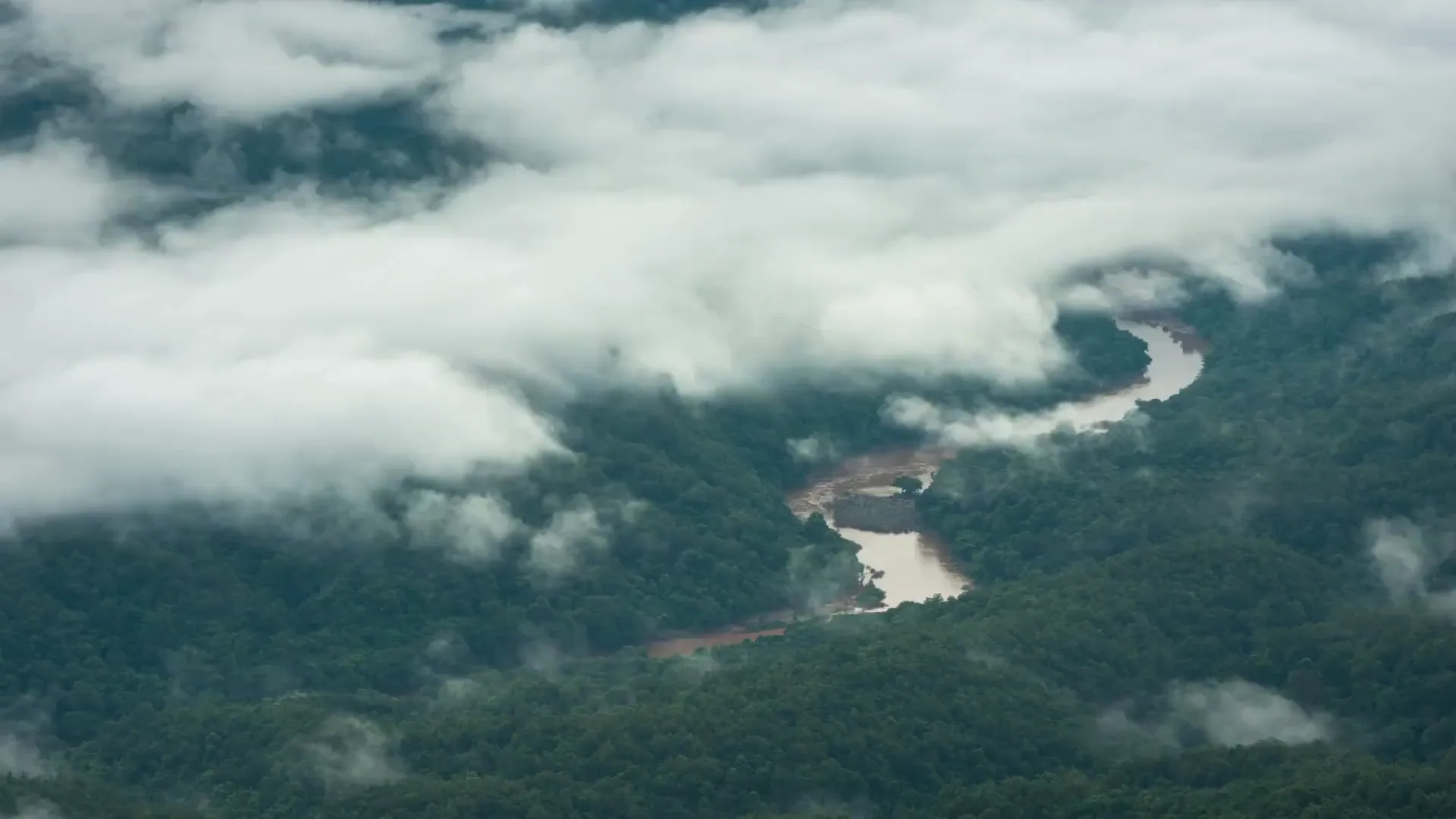
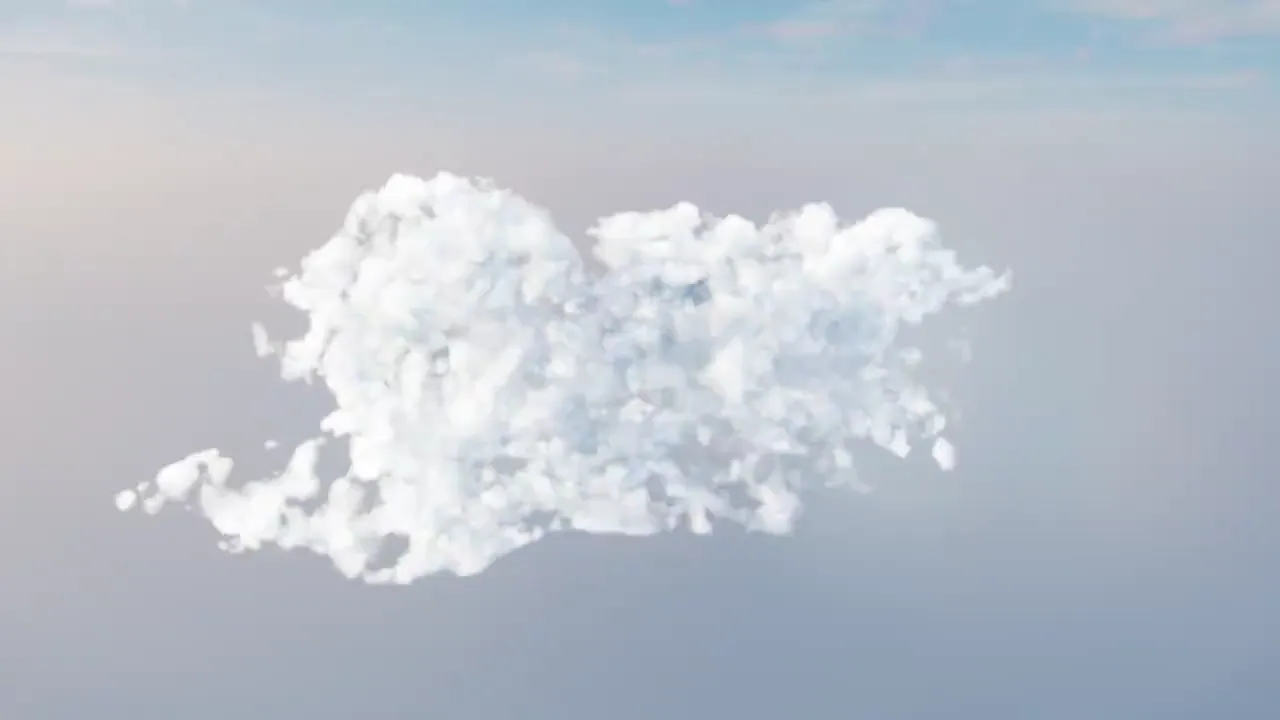
Water evaporates from Earth’s surface into the atmosphere as water vapor. As moist air cools, water vapor condenses onto airborne particles such as salt, sulfates, or dust. The resulting droplets eventually fall as rain. In cold, winter clouds, ice nucleating particles help ice crystals form, which eventually fall as snow.
Cloud Seeding Microphysics

Cloud seeding helps existing weather systems create precipitation more efficiently. Our technology works with existing clouds; precipitation cannot be caused if no clouds are there to begin with. Today, Rainmaker uses small quantities of silver iodide to help systems form ice crystals that can grow and fall as snow.

Targeting & Validation

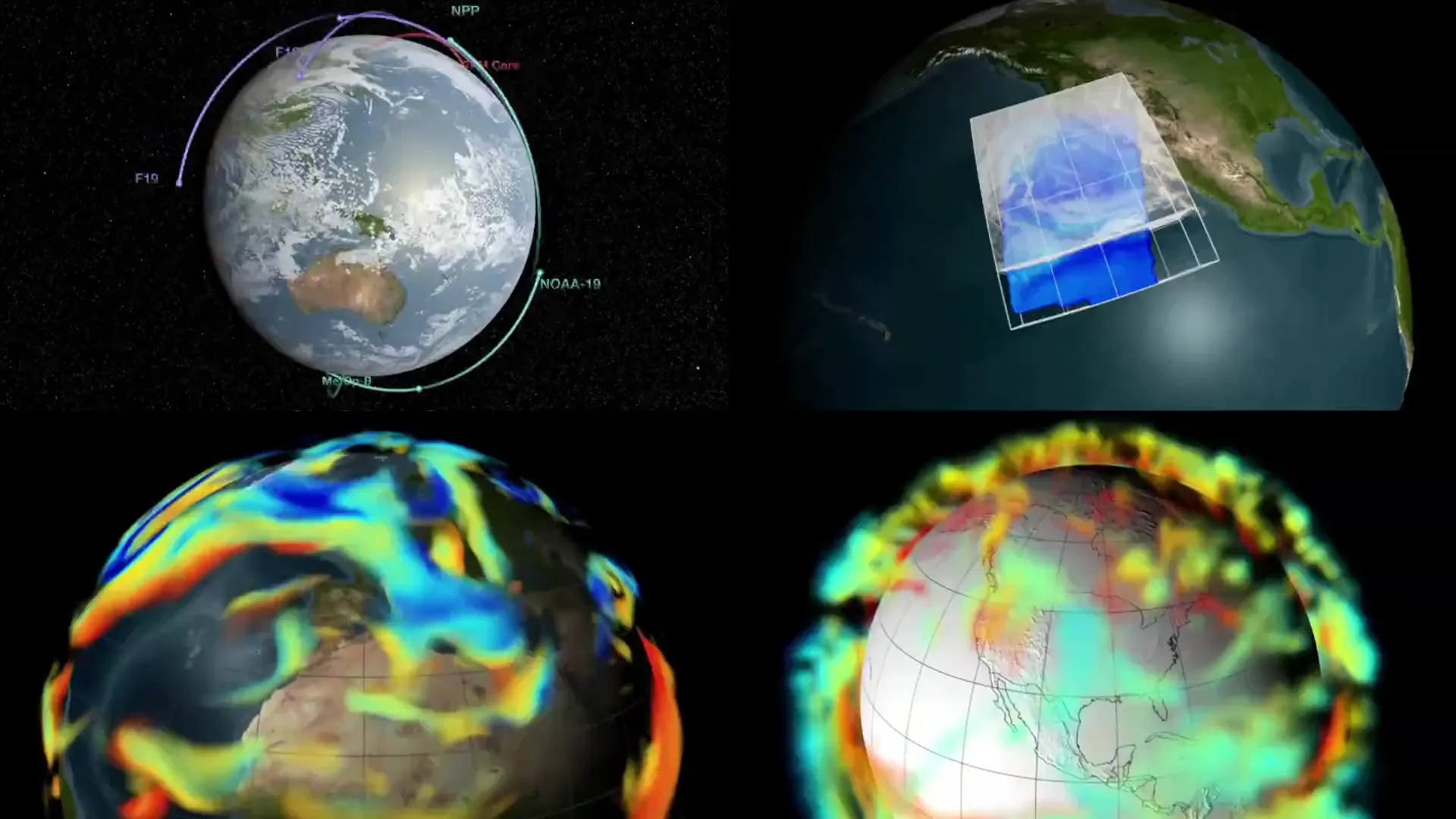
Rainmaker uses radar and satellite observations to identify clouds containing supercooled liquid water. Once conditions are identified, our field teams deploy our cloud seeding UAVs, which release silver iodide into cloud layers to help ice crystals form. Our meteorologists then track distinctive radar patterns to verify where precipitation was seeded and estimate its total volume.

AgI Safety

Silver Iodide (AgI) is a mineral compound widely used in cloud seeding to initiate ice crystal formation. AgI is insoluble, non-bioavailable, and non-bioaccumulative, restricting its interaction with living organisms. Cloud seeding requires only small amounts of AgI per operation. Environmental samples taken from long-term programs have found silver concentrations close to natural background levels and far below the U.S. EPA’s recommended limits.

Downwind Effects

“Downwind drought” describes the concern that increasing precipitation in one area leaves less for another. Rainmaker safeguards against this issue through operational design: It targets only clouds that are unlikely to precipitate on their own due to a lack of natural ice nucleating particles. This results in more precipitation than would naturally occur. Available research suggests that cloud seeding affects only about 1% of cloud moisture in a given storm system. This leaves a significant amount of moisture to precipitate in downwind areas.

About Rainmaker
Technology & Science
Safety & Environment
Misconceptions & Concerns
Time is of the essence

Careers

Become a Rainmaker

Rainmaker is an engineering organization and a microcosm of El Segundo's spirit. We iterate quickly to solve the most important problem of our age. Join us.
Open Roles

Get in touch

© 2026 Rainmaker Technology Corporation

Rainmaker